Steps to Take Before Seeing an Emergency Pediatric Dentist
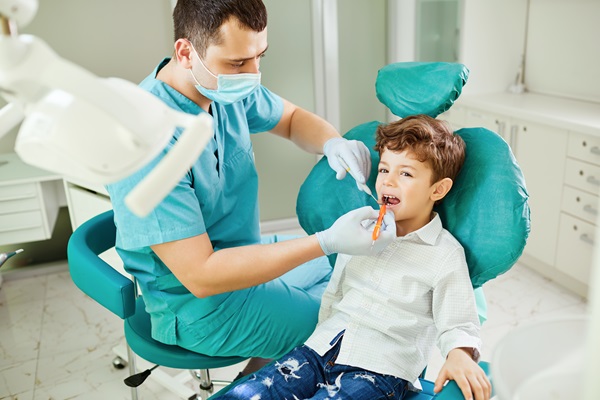
Going to an emergency pediatric dentist can give your child immediate dental needs. Treating urgent dental issues can provide relief right away. It can also prevent complications. Here are the necessary steps that you can take even before the drive to your emergency pediatric dentist.
Reassure the child and stay calm
Showing distress will only intensify the child’s anxiety. This will make it more difficult for the emergency pediatric dentist to provide the necessary care. The child will likely be in pain during a dental issue. Some bleeding may cause panic. Guardians or parents must remain calm at this point.
Understand the common emergency tooth injuries in kids
Kids are more prone to oral or facial accidents because of falls or rough play. Knowing the different dental emergencies in children can help the guardian or parent decide when to drive to an emergency pediatric dentist. This will make it easier to determine what to do. The following are the common dental injuries in kids that often need an emergency pediatric dentist:
- A fractured or chipped tooth may occur after a facial or oral injury. A fractured tooth’s damage goes beyond the enamel layer. A chipped tooth’s damage is confined to the tooth’s enamel layer.
- Soft tissue dental injuries involve damage to the tongue, gums, or lips. These injuries can cause pain and bleeding.
- Displaced or loosened teeth can result from trauma.
- An avulsion or knocked-out tooth happens when the tooth detaches partially or completely from its socket.
Evaluate the injury
Assessing the child’s injury will provide an idea of how severe it is. See if the child lost or injured a tooth. Doing so will tell the parent or guardian what to do next. This will include whether the child will need the help of an emergency pediatric dentist or schedule a regular dental appointment.
Manage the damaged tooth
The chipped or fractured tooth will be prone to dental infection. It is important to keep the tooth clean. Rinse the child’s mouth with warm water. Recover any dental fragments and soak them in milk. Then, bring the child to the emergency pediatric dentist.
Take care of the knocked-out tooth
There will be bleeding after a tooth is knocked out from its socket. Place a sterile gauze on the area and have the child bite gently to apply pressure. Find the tooth and handle it by its crown. Rinse it gently with some milk and place it in a small container of milk. This will keep the tooth alive and moist. Have the child hold a cold compress on the cheek near the area of injury while driving to the emergency pediatric dentist.
Tend to the displaced or loose tooth
Trauma can also cause a tooth to loosen or partially dislodge from its socket. Refrain from touching the loose tooth. Gently place the displaced tooth back into its original position. Place a cold compress on the cheek near the injured tooth. This will reduce the swelling and pain. Giving the child an over-the-counter pain reliever can also provide relief until the child arrives at the emergency pediatric dentist’s clinic.
Preparing before going to an emergency pediatric dentist can provide faster relief
Research shows that children are prone to facial or oral injuries. Falls, contact sports, or biting into something hard can result in dental damage or missing teeth. Knowing what to do before going to the emergency dental clinic can provide some relief to your child right away. Working with your emergency pediatric dentist can prevent complications.
Request an appointment here: https://www.pediatricdentistrysemo.com or call Jayne F. Scherrman JS Pediatric Dentistry at (573) 271-3062 for an appointment in our Cape Girardeau office.
Check out what others are saying about our dental services on Yelp: Pediatric Dentist in Cape Girardeau, MO.
Related Posts
Pediatric dentistry focuses on providing treatments and services that help to keep your child's mouth healthy. Pediatric dentists offer common dental treatments, such as sealants, fluoride treatments, and space maintainers.Let us take a look at some of the more commonly used treatments in pediatric dentistry:Sealants are a type of preventative treatment that pediatric dentists often…
Pediatric dentistry can identify and treat plaque, which is a sticky substance. Plaque appears after every snack or meal. Brushing immediately can remove this thin layer of sticky substance. Doing so can prevent tartar formation. If you want to know more about how pediatric dentistry treats plaque, here are the details.The mouth invites all sorts…
Pediatric dentistry nutrition tips to maintain your child’s oral health are vital. These reminders can help you and your child with your consistency in dental care practices. A healthy diet needs more effort to maintain with all the tempting treats around your child. If you want to learn how to maintain good nutrition for your…
If you are concerned about your child's oral health, we encourage you to schedule frequent visits to the pediatric dentistry office. In addition to lowering the risk of cavities, good oral hygiene has been shown to have far-reaching benefits for a child's overall health. They can get the nutrients they need from food and will…