The Benefits of PFM Kids Dental Crowns
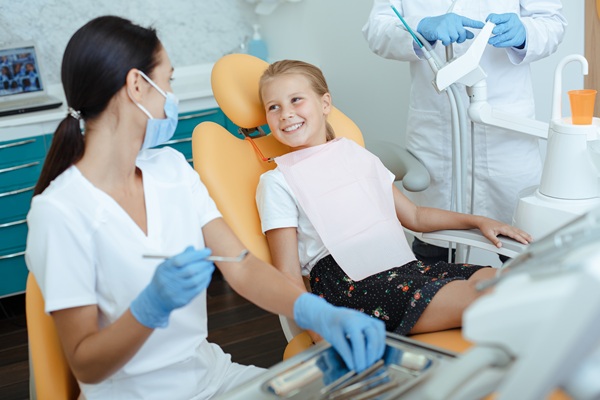
Kids' dental crowns protect weakened baby teeth so children can chew comfortably and speak clearly. When a cavity is too large for a filling, kids' dental crowns cover the remaining structure and restore everyday function. They also help maintain space for incoming adult teeth, which supports normal alignment and jaw development. A general dentist evaluates the tooth’s health, the bite, and the child’s stage of growth before recommending a crown, ensuring the treatment aligns with long-term oral health goals.
When a crown is recommended
A crown is often recommended after pulp therapy, for teeth with multiple surfaces of decay, or when enamel is thin and prone to chipping. By covering the tooth above the gumline, the crown restores shape, strength, and chewing efficiency while reducing the chance of additional fractures. Common pediatric options include stainless steel, tooth-colored materials, and porcelain-fused-to-metal (PFM) crowns. Each material offers a practical balance of durability, appearance, and fit, and the dentist will suggest the option that fits the tooth’s location, visibility, and daily chewing forces.
What PFM crowns offer
PFM kids' dental crowns combine a strong metal substructure with a fused porcelain exterior for a toothlike look. This layered design stands up to routine chewing while blending naturally with nearby teeth, which can be helpful in visible areas. Compared with basic metal options, PFM crowns provide a balanced approach to strength, smooth contours, and appearance for both front and back baby teeth. Because baby teeth guide speech patterns, maintain spacing, and support nutrition, reinforcing them with an appropriately selected crown can make day-to-day activities more comfortable.
Benefits of PFM crowns include:
- Full-coverage protection for weakened primary teeth
- A contoured fit that supports clear speech and a stable bite
- Porcelain shading that blends with the surrounding teeth
- Strength from the metal base for routine chewing and wear
These advantages help kids' dental crowns safeguard the tooth during the remaining years before natural exfoliation. Parents also appreciate that polished porcelain resists staining from common beverages, supporting a consistent appearance in photos and at school events.
Care and what to expect
Preparing a tooth for a kid's dental crown involves removing decay, shaping the tooth, and cementing a custom or preformed crown. Children can resume regular brushing and flossing the same day, using a gentle technique along the gumline to keep tissues comfortable. Limiting very sticky snacks—such as caramels or taffy—helps protect crown margins from unnecessary pulling. Regular checkups allow the dentist to monitor growth, adjust bite contacts if needed, and confirm that the crown continues to fit well as neighboring teeth erupt. When a crowned baby tooth loosens naturally, the crown typically comes out with it, and the permanent tooth follows its normal eruption path.
Schedule a visit
PFM kids' dental crowns help preserve function, comfort, and spacing while a child grows. By covering and reinforcing a compromised baby tooth, they support chewing, clear speech, and confident smiles through everyday activities. A general dentist will explain material choices, outline the procedure, and recommend the right option for your child’s needs. For more information or to schedule an appointment, call our office.
To schedule a consultation, please request an appointment on our website at https://www.pediatricdentistrysemo.com or call Jayne F. Scherrman JS Pediatric Dentistry at (573) 271-3062 to arrange an appointment at our Cape Girardeau office.
Check out what others are saying about our services on Yelp: Read our Yelp reviews.
Related Posts
Children can expect to receive comprehensive dental care at pediatric dentistry clinics, which includes everything from preventive care to necessary treatments and procedures. The focus is always on providing the best possible care for each child in a way that is age-appropriate and comfortable.The dentist and hygienist will see the child during a typical appointment.…
Your child's teeth will develop and change as they age. Likewise, the kind of dental care they need will change over time. The adult teeth may not develop properly without proper oral care, leading to gum disease and decay problems. Talking to a pediatric dentistry professional and asking the appropriate questions may help better care…
Pediatric dentistry treatments can stop and prevent tooth decay. This dental problem can influence a child’s emotional, physical, and mental well-being. Poor oral health results in more than tooth decay. This situation could lead to harmful diseases and other conditions. If you want to know tooth decay’s effects on children, here are the details from…
Pediatric dentistry focuses on providing treatments and services that help to keep your child's mouth healthy. Pediatric dentists offer common dental treatments, such as sealants, fluoride treatments, and space maintainers.Let us take a look at some of the more commonly used treatments in pediatric dentistry:Sealants are a type of preventative treatment that pediatric dentists often…