How To Get Your Child To Wear Kids Mouthguards
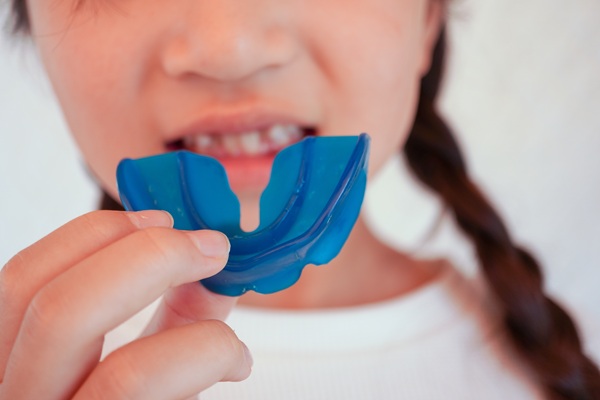
Kids mouthguards prevent dental injuries during sports, but it can often be a struggle to get children to wear them. Children may resist the idea of wearing something that feels uncomfortable or is unfamiliar. However, by using a few creative strategies, parents can make the process easier and even fun. Building the habit of wearing a mouthguard can be achieved with positive reinforcement, patience, and an understanding of the child’s needs.
Tips to encourage your kid to wear their mouthguard
Encouraging children to wear kids mouthguards can take some work, but the result is proven protection for a healthy smile. Here are a few easy tips from a pediatric dentist to help motivate a kid to wear their mouthguard:
Give them some choice
One effective way to encourage kids to wear their mouthguards is by offering them some choices. This can be as simple as letting them pick the color of their mouthguard or, more often, the case it comes in. When kids feel like they have a say in any process, they are more likely to feel ownership over the decision. Thus, parents can make the act of wearing a mouthguard itself feel like a choice rather than a command. They can try to frame it as a personal decision, such as by saying how only big kids wear mouthguards. This can help children feel more empowered and less resistant to wearing theirs.
Help them see the benefits
Another important strategy is helping kids understand why wearing a mouthguard is beneficial. While younger children may not fully grasp the concept of dental protection, older kids can understand the connection between the mouthguard and preventing painful dental injuries. Parents can explain that mouthguards protect teeth from impact during sports and other activities. That way, children are more likely to view the mouthguard as something that is helping them stay safe and healthy rather than a restriction or inconvenience.
Make it a routine — or a game
Parents can also work kids mouthguards into their daily routine. Establishing a set point in their routine for when to put in their mouthguard, such as right before they head onto the court or field, can create a sense of consistency. For younger children, turning it into a fun game can help them become more engaged with the process. For example, parents can offer a reward (like a sticker) for wearing the mouthguard consistently. The more enjoyable the experience, the more likely kids will be to stick with the habit.
Get the most comfortable option
Comfort is key when it comes to kids mouthguards. A poorly fitting or uncomfortable mouthguard can be a major deterrent, as children will be more likely to avoid wearing it. Working with a pediatric dentist to get a custom-fitted mouthguard ensures that it will fit properly and feel comfortable in the child’s mouth.
Talk to a dentist about kids mouthguards
Since pediatric dentists specialize in children’s dental care, they can recommend the best kids mouthguard based on age, dental development, and protection needs. For more advice on how to get kids excited about wearing their mouthguards, reach out to our team at Jayne F. Scherrman JS Pediatric Dentistry. We strive to make the process easier and more effective for both the child and the parent.
Request an appointment here: https://www.pediatricdentistrysemo.com or call Jayne F. Scherrman JS Pediatric Dentistry at (573) 271-3062 for an appointment in our Cape Girardeau office.
Check out what others are saying about our services on Yelp: Kids Mouthguards in Cape Girardeau, MO.
Related Posts
In pediatric dentistry, dentists assess how certain food types affect oral health and make recommendations accordingly. Common childhood snacks can harm teeth by breaking down enamel and contributing to periodontal diseases, such as sugar-filled yogurt packs, cookies, and citrus fruits.This review takes a closer look at snacks parents can provide for their children that are…
If you are a parent exploring preventive care for your child, your dentist is likely to recommend a dental sealant for kids. It is common to feel a bit hesitant about any treatment involving new materials in a young patient's mouth. However, this simple preventive procedure is one of the most effective ways to keep…
Children can expect to receive comprehensive dental care at pediatric dentistry clinics, which includes everything from preventive care to necessary treatments and procedures. The focus is always on providing the best possible care for each child in a way that is age-appropriate and comfortable.The dentist and hygienist will see the child during a typical appointment.…
Your child's teeth will develop and change as they age. Likewise, the kind of dental care they need will change over time. The adult teeth may not develop properly without proper oral care, leading to gum disease and decay problems. Talking to a pediatric dentistry professional and asking the appropriate questions may help better care…