A Pediatric Dentistry Office Explains the Risks of Baby Bottle Tooth Decay
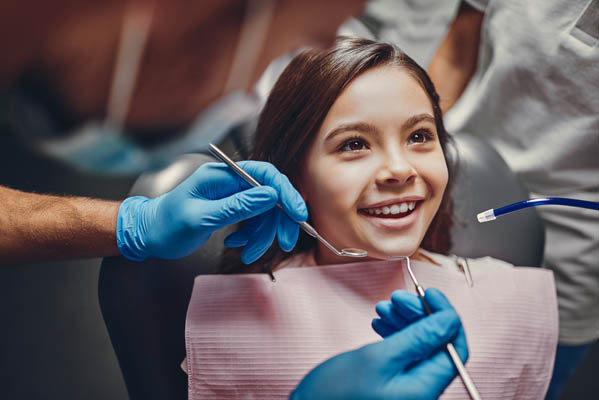
Pediatric dentistry considers the early prevention of tooth decay crucial for maintaining the health of your baby’s teeth. One thing that causes tooth decay is drinking from bottles. It may seem difficult to prevent tooth decay, especially if a bottle helps keep your baby calm, but knowing the risks or dangers of early tooth decay can help prevent it. If you want to understand the consequences of baby bottle tooth decay (BTTD), here are the details from a pediatric dentistry professional.
What BBTD is
In pediatric dentistry, BBTD is a type of oral decay that occurs in babies. The cavities resulting from this type of decay affect the primary teeth, but it can cause permanent complications if it does not receive proper treatment. BBTD often affects the upper front teeth, usually appearing as white spots along the gumline. A pediatric exam can spot BBTD so the dentist can treat it right away.
Possible complications
BBTD can become a serious dental issue. As the child grows, teeth will be essential for their smiling, eating, and speaking. Primary teeth keep the dental spaces ready for permanent teeth. Infection and discomfort will most likely result if there is early tooth loss or severe dental decay. Here are the possible complications of BBTD:
Dental shifting can result if there is tooth loss because of severe decay. This can happen to baby and adult teeth. Once the neighboring baby teeth shift, the emerging adult teeth will lose guidance. This will result in overcrowding and misalignment, which will need more expensive and complicated pediatric dentistry treatments later.
Dental decay will occur on more teeth. Improper placement of baby and adult teeth will result in overcrowding. When this happens, there will be areas that are difficult to reach while brushing and flossing. Without proper pediatric dentistry treatment, this can result in early tooth loss.
Painful eating is another risk of BBTD. This is not good for a baby who needs proper nutrition. Pain during eating will hinder the child’s intake of necessary nutrients for proper growth and development.
Problems with biting and speaking can also result from BBTD. Studies show that the upper front teeth are the most affected by this type of dental decay. Losing one or even two of these teeth can make it difficult for the baby to bite down and speak correctly.
Self-esteem problems may also occur. The baby or young child will be aware of their tooth decay, and this may make them conscious of speaking or smiling. The child could develop shyness and have issues making friends or being around other people. This could affect the child’s mental and emotional development while growing up.
Preventing BBTD
To prevent BBTD, parents must not let the child sleep with a bottle of milk or juice. Giving water instead can neutralize the remaining bacterial acids in the mouth and stimulate saliva production. It is also ideal to refrain from sharing utensils with the baby. This will prevent passing the adult’s saliva to the baby’s mouth. Keeping the baby utensils sterilized and isolated is also a good way to prevent bacterial transmission into the baby’s mouth.
Pediatric dentistry encourages parents to be aware of BBTD risks
A healthy baby is a happy baby. One way to achieve this is to keep the baby’s mouth clean and clear of bacteria. Pediatric dentistry checks and treatments are available during every visit to the dentist. Working with the dental care provider can help keep BBTD away. This can result in a child who does not need to suffer from the dangers of early tooth decay.
Are you considering pediatric dentistry treatments in the Cape Girardeau area? Get more information at https://www.pediatricdentistrysemo.com.
Check out what others are saying about our services on Yelp: Read our Yelp reviews.
Related Posts
Once teething starts, you should pay close attention to your child's teeth to avoid tooth decay, cavities, and other oral health problems. A dentist specializing in pediatric dentistry might advise against pacifiers and other items that might interfere with the healthy development of their oral tissues. Sucking on a pacifier is common among infants and…
Infant dental care is critical to ensuring long-term oral health and should begin even before the first tooth appears. Establishing good habits early in a child's life helps prevent cavities, gum disease, and other dental issues as a child grows. Pediatric dentists recommend introducing oral hygiene routines during infancy to support healthy teeth and gums…
If you have a baby who is teething, knowing some pediatric dentistry care tips can be helpful. Your child may experience some distress at this period. An infant's gums swell and become tender as their first teeth emerge. This article covers some of the remedies you might get from a pediatric dental professional to relieve…
When scheduling a child's first dental appointment, you should consider visiting the pediatric dentistry office. Dentists who specialize in pediatric dentistry acquire additional training beyond the universal requirements of dentistry school to meet the unique needs of their young patients. A parent's decision to establish with a particular provider may be influenced by their knowledge…