FAQs About Space Maintainers
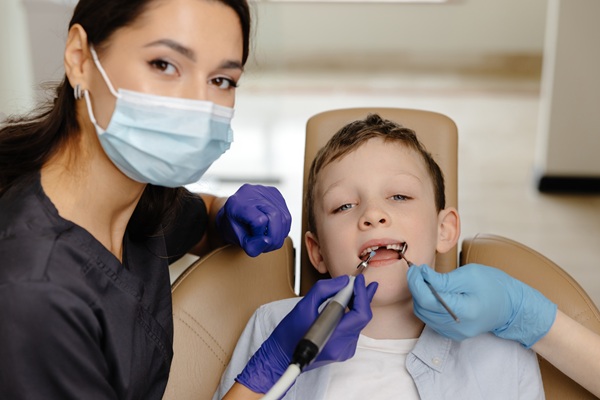
Space maintainers are common dental pieces that are placed where teeth once were. The empty space created by dislodgement or extraction can put the oral cavity at risk, which is why the role that space maintainers play is so large. Orthodontists and many other dental professionals recommend space maintainers to set the child up for the future, ensuring optimal oral health. Keep reading to learn more.
Understanding space maintainers
Outlined below are a few frequently asked questions and answers about space maintainers. It may be helpful for parents to review this information.
1. What do space maintainers do?
Space maintainers are placed to keep gaps between teeth open so that adjacent teeth do not shift and cover the gap, preventing the adult tooth from erupting.
2. Are space maintainers permanent?
No. Space maintainers are not permanent. They are typically only worn for a couple of years.
3. What material are space maintainers made of?
Space maintainers are typically made of metal materials. In some cases, acrylic can be made to create a space maintainer; however, this is much rarer. Metal is a good option because it is thick, durable, and long-lasting, meaning it can weather whatever the oral cavity goes through until the adult tooth erupts.
4. When are space maintainers recommended?
Space maintainers are recommended when children prematurely lose their baby teeth. This may be a result of injury or infection, both of which may result in dislodgement or extraction. When the baby teeth are lost too early, the empty space can lead to a shift and the gap can close, which will be a problem later on when the adult tooth grows in.
5. Is there any special care required for space maintainers?
It is recommended to brush regularly around space maintainers as food can get stuck in or around them. Additionally, it is advised to avoid chewing sticky, hard, or tough foods on the side of the mouth that has a space maintainer. Foods that are not soft in substance can easily damage space maintainers, requiring a replacement to be performed. Lastly, rinsing with salt water or a gentle mouthwash can help to keep food debris from getting left behind.
6. How long do space maintainers have to be worn?
There is not a set timespan that space maintainers are worn for. Instead, it varies per child depending on how young they are then whey prematurely lose their teeth. In general, space maintainers are worn for a couple of years, until the adult teeth are about to erupt.
Find out more about space maintainers
Parents that are thinking about space maintainers for their children should consult with an orthodontist or dental professional to get started. A quick evaluation can be done of the child's mouth to determine if and when space maintainers are necessary. Additionally, questions and answers can be addressed, which will be helpful for parents that are curious. To learn more or to get scheduled, reach out today.
Request an appointment here: https://www.pediatricdentistrysemo.com or call Jayne F. Scherrman JS Pediatric Dentistry at (573) 271-3062 for an appointment in our Cape Girardeau office.
Check out what others are saying about our services on Yelp: Read our Yelp reviews.
Related Posts
In pediatric dentistry, dentists assess how certain food types affect oral health and make recommendations accordingly. Common childhood snacks can harm teeth by breaking down enamel and contributing to periodontal diseases, such as sugar-filled yogurt packs, cookies, and citrus fruits.This review takes a closer look at snacks parents can provide for their children that are…
If you are a parent exploring preventive care for your child, your dentist is likely to recommend a dental sealant for kids. It is common to feel a bit hesitant about any treatment involving new materials in a young patient's mouth. However, this simple preventive procedure is one of the most effective ways to keep…
Children can expect to receive comprehensive dental care at pediatric dentistry clinics, which includes everything from preventive care to necessary treatments and procedures. The focus is always on providing the best possible care for each child in a way that is age-appropriate and comfortable.The dentist and hygienist will see the child during a typical appointment.…
Your child's teeth will develop and change as they age. Likewise, the kind of dental care they need will change over time. The adult teeth may not develop properly without proper oral care, leading to gum disease and decay problems. Talking to a pediatric dentistry professional and asking the appropriate questions may help better care…