Infant Dental Care for Your Baby’s First Teeth
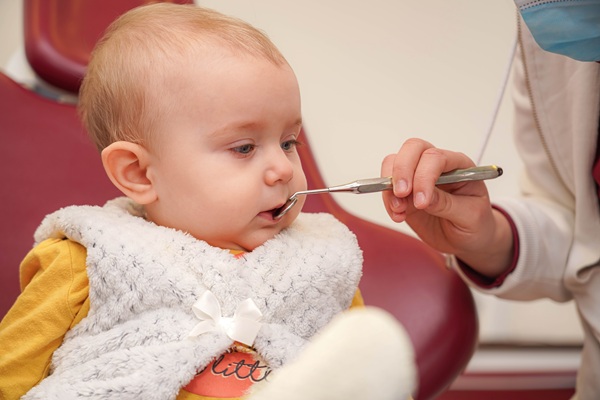
Infant dental care is important for your baby's oral health and development. When the first teeth come in, good oral hygiene from the start helps them eat well, talk clearly, and feel confident. By starting early with your child's dental care, you set up healthy habits that last a lifetime.
The importance of infant dental care
Even though baby teeth are temporary, primary teeth guide the alignment of permanent teeth and support normal jaw growth. Decay or infection can cause discomfort and may affect eating and sleeping patterns. Additionally, healthy early teeth can contribute to clear speech development and balanced facial development. When parents take the time to establish oral care routines, it encourages familiarity with daily cleaning and reduces fear related to dental care.
What parents should do when the first teeth appear
Most infants begin teething between six and twelve months, although timing varies from child to child. The lower front teeth often emerge first, followed by the upper front teeth. Gums may appear swollen or sensitive during this period.
Before and after the first tooth comes in, parents should clean their baby's mouth after each feeding or at least twice a day. They can place the baby in a comfortable position and gently wipe the gums with a clean, wet gauze pad or a soft cloth.
As the teeth erupt, parents can introduce a small, soft-bristled toothbrush to their baby's oral hygiene routine, along with a rice-grain amount of fluoride toothpaste. Hold the toothbrush at an angle so the bristles touch the baby's gum line and the teeth. Brush gently in small circles. Avoid brushing back and forth, as it can harm the gums and teeth. Make sure to clean all sides of the infant's teeth.
Tips for teething relief
Parents can also take steps to relieve their baby's teething pain. Each infant experiences teething differently, with common symptoms including excessive drooling, swollen or tender gums, and chewing on objects or fists. Babies may also be more fussy and spike a mild fever (below 100.4°F). The following tips are helpful ways to reduce teething discomfort:
- Gentle gum massage with a clean finger
- Chilled teething rings or toys
- Safe chewing options (e.g., a damp cloth or silicone teething toys)
- Over-the-counter remedies (as recommended by a pediatric dentist)
- Comfort through distraction (e.g., singing songs, gentle music, or reading stories)
The first dental visit
Professional guidance from a pediatric dentist is an important part of infant dental care. Pediatric dental associations recommend scheduling a first dental visit by the first birthday or within six months of the first tooth erupting. Early visits focus on parent education, growth monitoring, and prevention rather than treatment. These appointments help establish comfort with the dental environment and allow early identification of potential concerns.
Preventing tooth decay in infants
In addition to a thorough oral hygiene routine and professional dental care, parents can protect their baby's teeth from tooth decay. For example, only use a bottle during designated feeding time and do not use a bottle or breastfeeding as a pacifier. Additionally, when the first tooth appears, avoid night feedings and frequent feedings.
Transition the baby from a bottle to a cup by 12 months. After the child turns one, they should only sip water throughout the day. Parents should reserve other liquids during mealtime.
Keep your baby's mouth happy and healthy
Infant dental care supports healthy smiles from the very beginning. By taking proper care of your baby's first tooth, you can help protect their oral health and encourage positive habits. Do you have questions for the Jayne F. Scherrman JS Pediatric Dentistry team? Call our Cape Girardeau to learn more helpful tips or to schedule your little one's first appointment.
Request an appointment here: https://www.pediatricdentistrysemo.com or call Jayne F. Scherrman JS Pediatric Dentistry at (573) 271-3062 for an appointment in our Cape Girardeau office.
Check out what others are saying about our services on Yelp: Read our Yelp reviews.
Related Posts
Children can expect to receive comprehensive dental care at pediatric dentistry clinics, which includes everything from preventive care to necessary treatments and procedures. The focus is always on providing the best possible care for each child in a way that is age-appropriate and comfortable.The dentist and hygienist will see the child during a typical appointment.…
Your child's teeth will develop and change as they age. Likewise, the kind of dental care they need will change over time. The adult teeth may not develop properly without proper oral care, leading to gum disease and decay problems. Talking to a pediatric dentistry professional and asking the appropriate questions may help better care…
Pediatric dentistry treatments can stop and prevent tooth decay. This dental problem can influence a child’s emotional, physical, and mental well-being. Poor oral health results in more than tooth decay. This situation could lead to harmful diseases and other conditions. If you want to know tooth decay’s effects on children, here are the details from…
Pediatric dentistry focuses on providing treatments and services that help to keep your child's mouth healthy. Pediatric dentists offer common dental treatments, such as sealants, fluoride treatments, and space maintainers.Let us take a look at some of the more commonly used treatments in pediatric dentistry:Sealants are a type of preventative treatment that pediatric dentists often…