Inlays and Onlays: A Lesser-Known Cavity Treatment for Kids
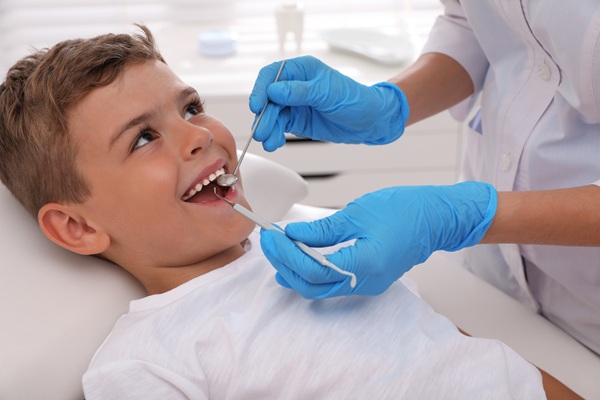
Inlays and onlays are effective cavity treatments for kids, particularly when traditional fillings are not enough to address damage and decay. They are made from durable materials such as ceramic or composite resin, offering a stronger, more aesthetically pleasing alternative. This guide explains when pediatric dentists recommend inlays and onlays, the advantages of their strength and longevity, and how they address children's unique dental needs. With this information, parents can make informed choices about their child's dental care that prioritize both effectiveness and comfort.
Understanding inlays and onlays in pediatric dentistry
In pediatric dentistry, restorative treatments balance durability, comfort, and the child's long-term oral health. Inlays and onlays are custom-made restorations designed to repair teeth affected by moderate decay or damage. Unlike standard fillings, these restorations are fabricated outside the mouth and then bonded to the tooth.
An inlay fits within the grooves of a tooth, while an onlay extends over one or more cusps. This cavity treatment for kids approach allows greater precision and strength, which can be particularly valuable when treating cavities in primary or newly emerged permanent teeth. As children continue to grow, dental solutions that preserve as much of their natural tooth structure as possible are often preferred.
What happens during the treatment process
The process typically involves two dental visits. During the first visit, the pediatric dentist removes the decay and prepares the tooth. An impression of the prepared tooth is then taken to create a custom restoration. A temporary covering may be placed to protect the tooth until the final piece is ready. During the second visit, the dentist bonds the inlay or onlay securely in place. They will then make any necessary adjustments for the child's comfort and bite alignment, ensuring accuracy and long-lasting results for younger patients.
When are inlays and onlays recommended for children?
Pediatric dentists may recommend inlays and onlays when decay is too extensive for a simple filling but not severe enough to require a full crown. This middle-ground solution helps protect the remaining healthy tooth while restoring normal function. In pediatric cases, this can be particularly useful for molars that experience heavy chewing forces.
Another common reason for recommending this treatment is durability. Compared to traditional fillings, inlays and onlays are more resistant to wear and fracture. This strength is beneficial for children who may grind their teeth or have a higher risk of damaging restorations during daily activities.
The benefits of inlays and onlays for young patients
One of the primary advantages of inlays and onlays is their conservative nature. The pediatric dentist will remove less healthy tooth material than crown placement would, which supports the child's long-term oral development. Additionally, the custom fit reduces the likelihood of gaps where bacteria can accumulate, lowering the risk of future decay.
Inlays and onmlays also provide cosmetic benefits. They are often made from tooth-colored materials such as porcelain or composite resin, allowing repaired teeth to blend naturally with surrounding teeth. For children, this can support the confidence they have in their smile while maintaining proper dental function.
Schedule a consultation at our Cape Girardeau office
Inlays and onlays offer a reliable and conservative solution for treating certain cavities in children. If you are exploring restorative options, discussing inlays and onlays with a pediatric dentist can help determine whether this approach aligns with your child's specific dental needs. Call our Cape Girardeau office today to learn more about cavity treatment for kids or to schedule a consultation.
Request an appointment here: https://www.pediatricdentistrysemo.com or call Jayne F. Scherrman JS Pediatric Dentistry at (573) 271-3062 for an appointment in our Cape Girardeau office.
Check out what others are saying about our services on Yelp: Read our Yelp reviews.
Related Posts
In pediatric dentistry, dentists assess how certain food types affect oral health and make recommendations accordingly. Common childhood snacks can harm teeth by breaking down enamel and contributing to periodontal diseases, such as sugar-filled yogurt packs, cookies, and citrus fruits.This review takes a closer look at snacks parents can provide for their children that are…
If you are a parent exploring preventive care for your child, your dentist is likely to recommend a dental sealant for kids. It is common to feel a bit hesitant about any treatment involving new materials in a young patient's mouth. However, this simple preventive procedure is one of the most effective ways to keep…
Children can expect to receive comprehensive dental care at pediatric dentistry clinics, which includes everything from preventive care to necessary treatments and procedures. The focus is always on providing the best possible care for each child in a way that is age-appropriate and comfortable.The dentist and hygienist will see the child during a typical appointment.…
Your child's teeth will develop and change as they age. Likewise, the kind of dental care they need will change over time. The adult teeth may not develop properly without proper oral care, leading to gum disease and decay problems. Talking to a pediatric dentistry professional and asking the appropriate questions may help better care…