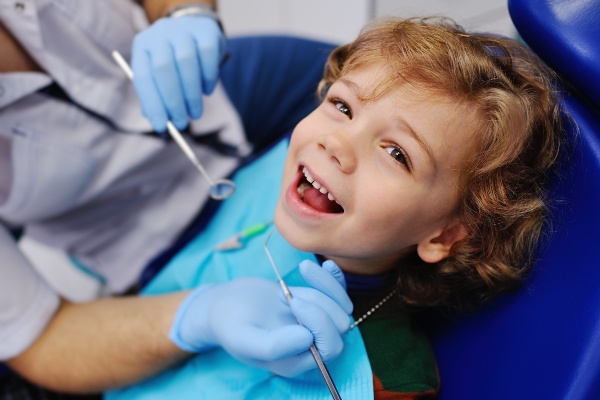
 Pediatric dentistry is an essential part of a child's overall health regimen. Typically, a child should begin going to the dentist as soon as their first tooth comes in or when they are a year old. Taking a child to the dentist at an early age helps to instill good oral health habits that they will remember well into adulthood. A pediatric dentist can teach a child a lot about oral healthcare.
What a dentist can teach a child about good oral health
A dentist can teach a child a variety of methods for taking care of the teeth and performing good oral hygiene.
Brushing more than once per day
A dentist teaches children that it is important to brush their teeth more than once per day. Skipping brushing the teeth because the parents are busy or the child is tired is more likely to lead to plaque, tartar, and tooth decay. Children should brush their teeth at least twice per day. Typically, this is done in the morning after breakfast and in the evening before going to bed.
Brushing the proper way
It is not enough to simply brush your teeth. It is also important to brush them properly. For a child, this means using a soft-bristled toothbrush and the proper amount of toothpaste. Children under 3 years old should use an amount equal to the size of a grain of rice. Once a child reaches preschool age, a pea-sized amount of toothpaste should be used.
Flossing teeth properly
In addition to brushing the teeth at least twice per day, it is important to floss at least once per day. This helps to dislodge food that has become stuck between the teeth. When food gets stuck between the teeth and stays there, it develops bacteria, which can then lead to tooth decay and cavities.
Replacing a toothbrush regularly
Over time, the toothbrush that a child uses will begin to wear down. When the bristles become worn, they are not as effective when a child is brushing their teeth. Additionally, over time, bacteria may begin to grow on the bristles, making it even harder for a child to take care of their teeth properly. For this reason, it is important to replace toothbrushes once every couple of months or so.
How to keep a child interested in brushing their teeth
It is not enough to know how to brush a child's teeth properly. It is also important to get a child interested in keeping their teeth clean. There are several ways a parent can accomplish this.
First, it is important to let a child brush their own teeth under the parent's supervision. Pediatric dentistry professionals recommend supervising a child until they are about 8 years old. Next, the child should brush their teeth for the recommended amount of time. Timer apps help kids to brush their teeth for the full two minutes that dentists recommend.
Conclusion
Pediatric dentistry is an important part of a child's overall health. Visiting the dentist as soon as the first tooth appears is vital to learn key guidelines for a child's oral health.
Request an appointment or call Jayne F. Scherrman JS Pediatric Dentistry at 573-271-3062 for an appointment in our Cape Girardeau office.
Related Posts
In pediatric dentistry, dentists assess how certain food types affect oral health and make recommendations accordingly. Common childhood snacks can harm teeth by breaking down enamel and contributing to periodontal diseases, such as sugar-filled yogurt packs, cookies, and citrus fruits.This review takes a closer look at snacks parents can provide for their children that are…
Children can expect to receive comprehensive dental care at pediatric dentistry clinics, which includes everything from preventive care to necessary treatments and procedures. The focus is always on providing the best possible care for each child in a way that is age-appropriate and comfortable.The dentist and hygienist will see the child during a typical appointment.…
Your child's teeth will develop and change as they age. Likewise, the kind of dental care they need will change over time. The adult teeth may not develop properly without proper oral care, leading to gum disease and decay problems. Talking to a pediatric dentistry professional and asking the appropriate questions may help better care…